
Storefronts, subscriptions, and commerce platforms that hold up to traffic.
We build AI for ecommerce brands where it removes catalogue and sales busywork without letting a model publish anything on its own. Most AI in ecommerce that pays off is unglamorous: better listings, faster catalogue updates and fewer back-and-forth emails before a quote.
For MEC Artworks we turn product photos into store listings: Claude vision writes the copy, category, tags, attributes, alt text and SEO fields to each site's WooCommerce template, while code sets the price within a band, takes links from an allowlist and picks categories from the store's real list. Every product lands as a hidden draft that a person reviews and publishes. In one session the team reviewed and published 38 product pages across 5 collections.
We also built MEC's AI design studio, where buyers render a custom mosaic in a photo of their own room and send a quote request that becomes a CRM lead with the designs attached. The client's sales team uses it with their existing leads.


MVP development services for SaaS founders: we scope the smallest product that proves your idea, then grow it into a SaaS. Builds include Groohve and AOF.

Hire React Native developers for iOS and Android apps from one Expo codebase, backend included. Embedded developers or fixed-scope builds.

AI agent development company and AI chatbot development services: custom agents in your CRM, inbox, store and chat, with human review built in.
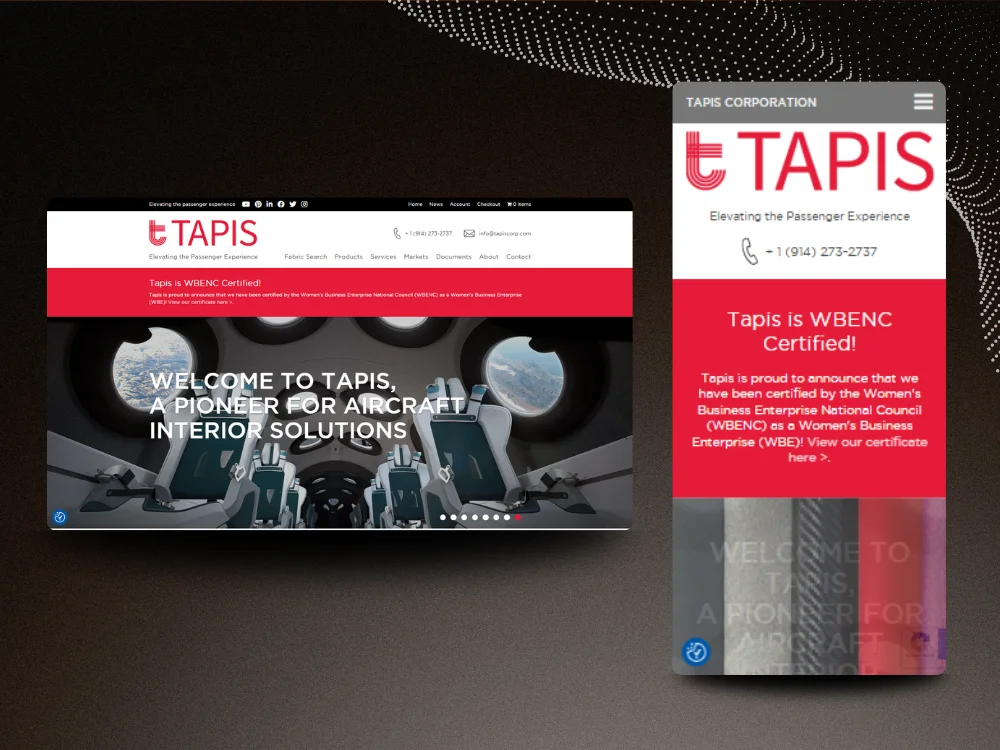
Tapis Corp case study: a B2B-friendly ecommerce platform for a specialty fabric supplier, with a clear catalog and document hub for buyers and staff.
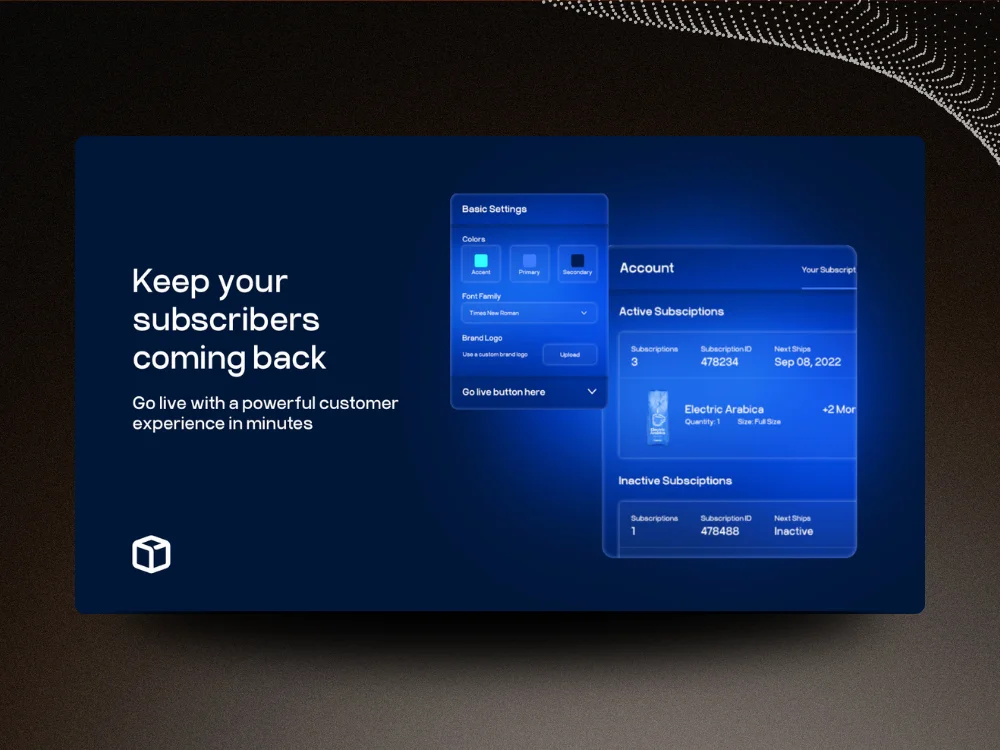
Upscribe: our founder's individual contributor engineering on a Shopify app for recurring billing, subscription models and customer self-service.
.webp)
Our founder's individual contributor engineering on a Shopify POS app that lets customers buy on account and use store credit at the register.
Cross-linked taxonomy: the same engagement viewed from a different axis.
The practical uses are writing product copy and attributes from photos, letting buyers visualise a product in their own space, tagging and categorising catalogues, and drafting support replies. Our builds for MEC Artworks cover the first two: product pages from photos and an AI design studio that feeds quote requests into the CRM.
Yes, when the output is structured and checked. We force the model to answer against a schema with the store's real categories and tags, take links only from an allowlist, set prices in code, and save every product as a hidden draft for a person to review. An end-to-end test checks about 28 rules per site in about 4 minutes.
We quote each engagement after a short call about your workflow. A full AI feature typically takes 3 to 5 weeks, and a narrow single-agent sprint typically 1 to 2 weeks. The drivers are how many systems it touches (store, CRM, file storage) and how strict the review flow needs to be.
Our shipped ecommerce work runs on WooCommerce and WordPress. A store platform with an admin API follows the same pattern of drafts, review and publish, and we confirm the details for your platform during discovery before any build starts.
Not in anything we build. Products are created as hidden drafts and a person publishes them, and in the MEC build a test fails if any code path could set a product live.
30-minute scoping call, then a written proposal. No vendor decks, no sales theater.