We have been trying to hire a mobile developer for months.
Good React Native developers who also understand native modules, store review and release management are hard to find, and the roadmap waits while the role stays open.

Hire React Native developers from Triminage to build and maintain iOS and Android apps from one TypeScript codebase, plus the backend and APIs behind them. You can add a developer to your own team on a monthly basis, or hand us a fixed scope and we deliver the app end to end, including App Store and Google Play release. Developers work remotely with overlap into your working hours and can usually start within a couple of weeks.
Most companies who need React Native developers already have a product. What they lack is mobile capacity, or someone who has shipped apps through the stores before.
Good React Native developers who also understand native modules, store review and release management are hard to find, and the roadmap waits while the role stays open.
Separate iOS and Android codebases mean every feature is built twice, tested twice and released on two schedules, and the two apps slowly drift apart.
Long lists stutter, screens re-render on every keystroke, and crash reports arrive from devices nobody on the team owns. Fixing it needs someone who knows where React Native performance goes.
The app runs on an outdated React Native release with abandoned libraries. Every store policy change becomes an emergency, and new features are built around old limits.
You get developers who have shipped and maintained production apps, not only built screens. Here is what that looks like week to week.
An open role and a stalled roadmap
An embedded developer joins your Slack, repository and sprint rhythm, works through your tickets and reviews, and overlaps with your working hours for live collaboration.
Two codebases for one product
Most features are written once and ship to both platforms together. Platform-specific code is kept small and deliberate, for the places where iOS and Android genuinely differ.
A slow app with unexplained crashes
We profile before changing anything, fix the real causes such as unnecessary re-renders or heavy lists, and set up crash and error monitoring so issues show up with a device and a stack trace.
An app nobody dares to upgrade
We plan upgrades in small steps, replace abandoned libraries, and add the tests and build pipeline that make the next upgrade routine instead of risky.
A React Native developer from us covers the whole path from code to the store. Depending on the engagement, that includes:
iOS and Android apps in React Native and TypeScript, with Expo where it fits, sharing business logic and most of the UI.
Navigation, gestures, safe areas, dark mode and accessibility that feel right on both iOS and Android, from your designs or ours.
Camera, location, maps, biometrics, Bluetooth, payments and background tasks, with Swift or Kotlin bridges when a library does not exist.
Authentication, REST or GraphQL APIs, real-time updates over WebSockets, offline storage and sync, on your backend or one we build in Node.js and Postgres.
Notification setup on both platforms, deep and universal links, and the routing that takes users to the right screen.
Unit and component tests, end-to-end tests on key flows, code review on every change, and crash and performance monitoring in production.
CI builds, signing and provisioning, App Store Connect and Google Play setup, review responses, staged rollouts and over-the-air updates where allowed.
React Native and Expo version upgrades, dependency clean-up, OS compatibility fixes and store policy changes, handled before they become urgent.
A short call about your app, your stack, the seniority you need, your time zone and whether you want an embedded developer or a fixed-scope build.
We propose a developer whose experience matches your app. You interview them and can ask for a short technical discussion on your own codebase before deciding.
The developer gets access to your repository and tools, reviews the codebase, and ships a first small change in the first week so you can judge their work early.
They join your standups and sprints, open pull requests for review, and keep you updated in your channels. For fixed-scope builds you get a working build every week.
Add developers, reduce hours or end the engagement with notice. Everything lives in your repository, with documentation for whoever maintains the app next.
The right model depends on whether you need extra hands, a whole team, or a finished app. All three use the same developers and the same standards.
We quote each engagement after a short call. For embedded developers the cost is monthly; for fixed-scope apps it is agreed after a discovery sprint.
Starts within about 1 to 2 weeks
A React Native developer working in your team on a monthly basis, with overlap into your working hours.
Typically 10 to 16 weeks
A production iOS and Android app with accounts, the core features, backend integration, analytics and store release.
Typically 1 to 4 weeks
A codebase review, a version upgrade or a performance and stability pass on an existing React Native app.

The team stuck to their word and worked overtime to deliver my project as quickly as possible, arranged meetings to keep me updated, and even when my scope shifted they worked around it to get the job done. 5 stars from me.

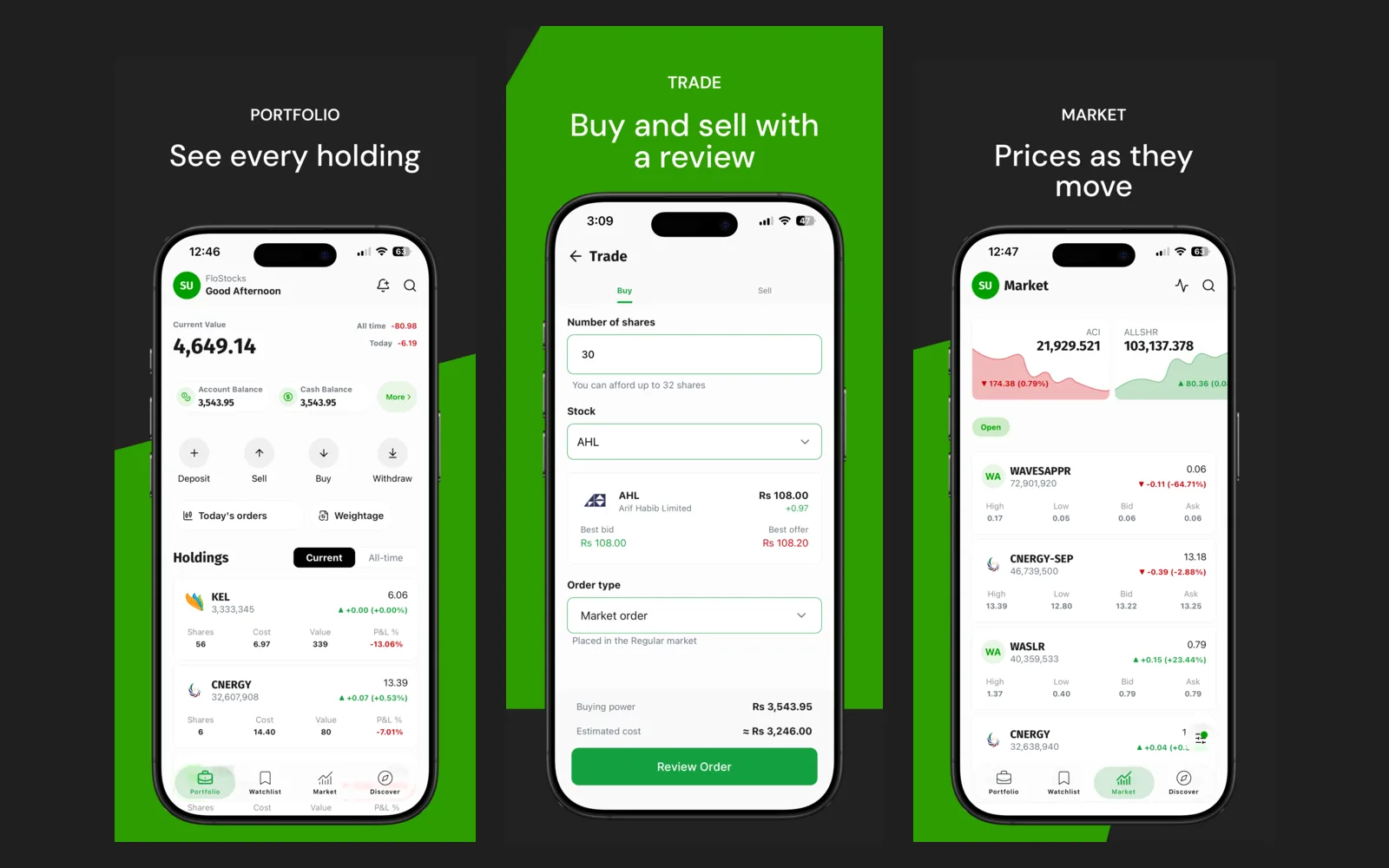
Triminage has been with us the whole way. They built our first website back when we were still Floret Commodities, and when we rebranded to Floret Capitals they redid the whole thing and did a really nice job. It just kept going from there — they built a promotional app for our commodity business that helped bring in a lot of new clients, and now they’re building a full trading app for the stock market that we think will really set us apart. They built our backend dashboard that ties everything together, and they even handle our Google Workspace. What I like is they actually get the business side of things — we don’t have to spell out why something matters, they just understand what we’re trying to do. And we don’t have to chase them for anything; they just handle it. If you’re thinking about going with Triminage, I’d say go for it.

I’ve worked with the team on an AI product for about three months, and the partnership was well structured and organised. They provided weekly updates and communicated clearly, which made the whole process smooth and straightforward. The final product works and is fully functional. I chose the team for the clarity of communication they provide and the way they structure and organise the work — notably more confident than with other providers. They arrive at meetings on time and manage expectations realistically; the punctuality and quality of communication that other providers were missing. I wish you the best of luck working with them.

Harun came in and took our systems to a whole new level — it’s like night and day, the difference.