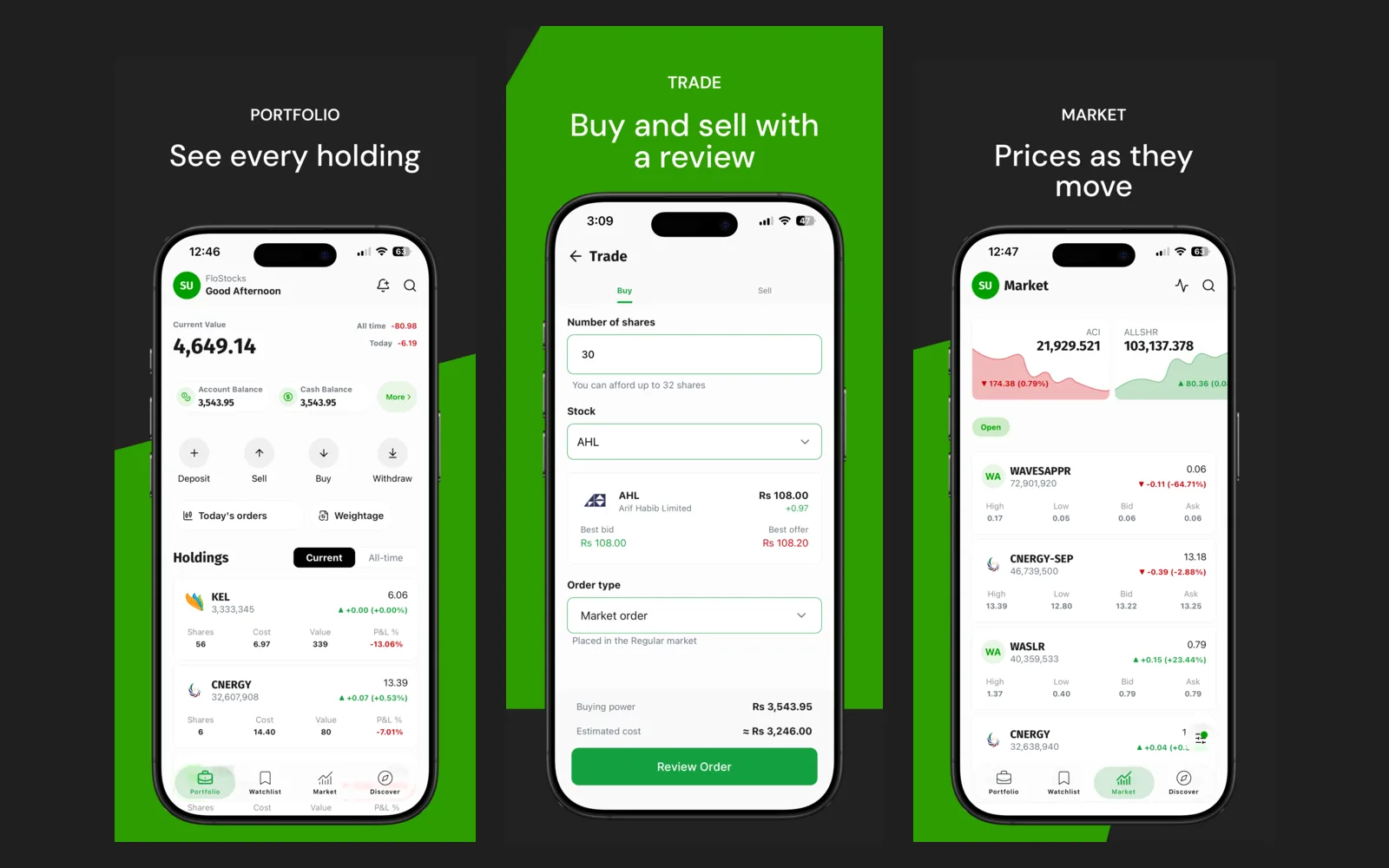
The feature list keeps growing and launch keeps moving.
Every conversation with a prospect adds a must-have. Six months later there is still nothing in front of users, and the runway is shorter than the backlog.

Our MVP development services take a SaaS idea from a short discovery sprint to a working product that real users can sign up for and pay for. We fix the one job the MVP has to prove, cut everything else, and build it on a stack that can grow into a full multi-tenant SaaS without a rewrite. Scope and timeline are agreed before you commit, and a typical MVP build takes 8 to 14 weeks after discovery.
Most early products do not fail because the code is bad. They fail because they take too long, prove the wrong thing, or have to be thrown away the moment they work.
Every conversation with a prospect adds a must-have. Six months later there is still nothing in front of users, and the runway is shorter than the backlog.
There is no clear question the MVP was meant to answer and no tracking on the steps that matter, so the first users generate opinions rather than evidence.
A no-code build or a hackathon codebase got the first customers, but it has no tenants, no roles, no billing and no tests. Growing it means starting again.
Quotes vary wildly, every agency says yes to everything, and it is hard to tell a realistic plan from an optimistic one before money is spent.
The goal of an MVP is learning you can act on, from software you do not have to throw away. Here is what that looks like in practice.
A launch date that keeps slipping
Discovery names the single job the product must do for one type of user, and everything else goes on a later list. The scope and timeline are written down before the build starts.
Launch day with no clear answer
We agree what success looks like, such as sign-ups that complete onboarding or trials that convert, and instrument those steps from day one so the result is data, not a feeling.
A prototype that has to be rebuilt
Accounts, roles, tenant separation and billing hooks are designed in from the start, even if the first release only uses some of them, so growth is extension rather than a rewrite.
Not knowing what you are buying
You get a written scope, a list of what is deliberately left out and why, and the cost drivers behind the estimate. If a no-code tool or an existing product would answer the question faster, we say so.
An MVP engagement is end to end. Depending on the product, it includes:
User and problem interviews, competitor review, the core user journey, a prioritised feature list and a written scope with a timeline.
Wireframes and a clickable prototype of the main flow, so you can test it with prospects or investors before code is written.
A production web app in TypeScript with React or Next.js, a Node.js backend and Postgres, released to a staging link you can try every week.
Sign-up, login, teams, invitations and role-based access, with each customer's data separated from the start.
Plans, trials, checkout, invoices and usage limits through Stripe or a similar provider, so the MVP can test willingness to pay.
An internal panel to see customers, manage plans, handle support requests and switch features on or off without a deploy.
The third-party tools your users expect, such as email, calendars, CRMs, Slack or payment providers, through their APIs.
Event tracking on the key steps, error monitoring, production deployment, and documentation and runbooks for whoever runs it next.
One to two weeks to define the user, the one job the MVP must do, the success measure and a firm scope. You can stop here with a plan you own.
Wireframes and a clickable prototype of the core flow, reviewed with you and, ideally, a few target users before development starts.
Short sprints with a working staging build every week, so you see progress and can change priorities based on what you learn.
Production deploy, analytics on the key steps and a launch checklist. We watch the first weeks of usage with you and fix what real users hit.
Once the MVP has traction, we extend it with more plans, integrations, admin tools and performance work, or hand it over to your own team.
Founders often ask for an MVP when a cheaper step would answer their question, or the other way round. This is how we help you choose.
Every MVP is scoped and quoted after discovery, so you know the cost and the timeline before the build starts.
Typically 1 to 2 weeks
Problem definition, core user journey, prioritised scope, clickable prototype of the main flow and a written estimate for the build.
Typically 8 to 14 weeks
A working web product with accounts, the core workflow, billing, an admin panel and analytics, deployed to production.
Ongoing
Iteration on real user feedback, new features, integrations and scaling work, with a dedicated developer or a small team.
Hosting for a new SaaS on managed cloud is usually modest at MVP scale. We estimate it during discovery and pick services that stay cheap until you have real usage.

The team stuck to their word and worked overtime to deliver my project as quickly as possible, arranged meetings to keep me updated, and even when my scope shifted they worked around it to get the job done. 5 stars from me.

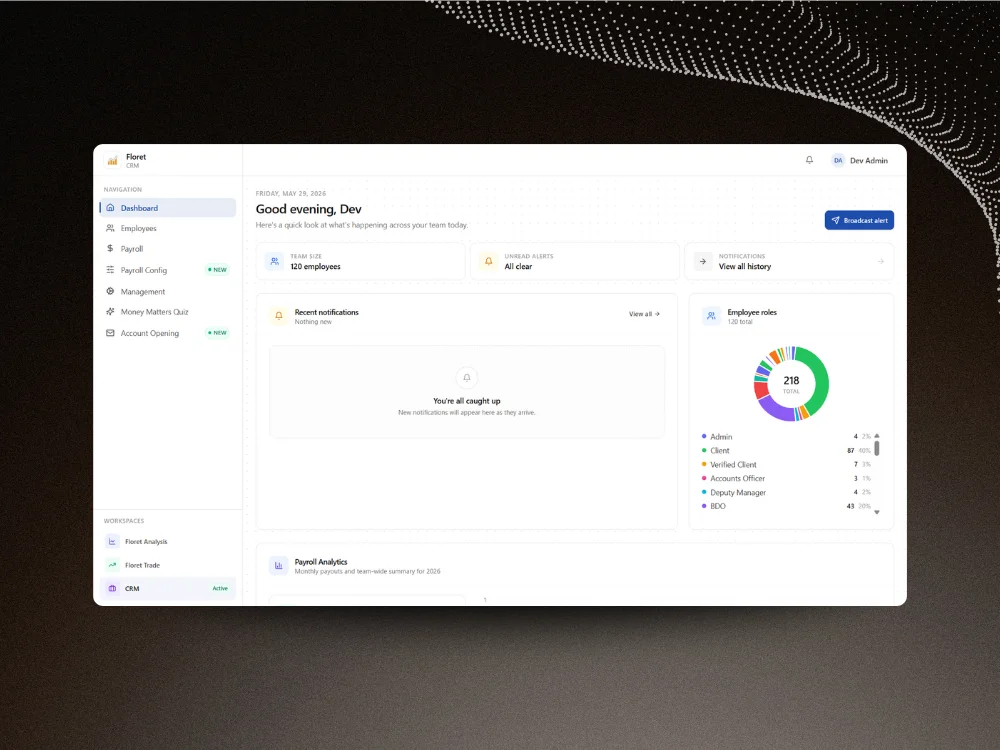
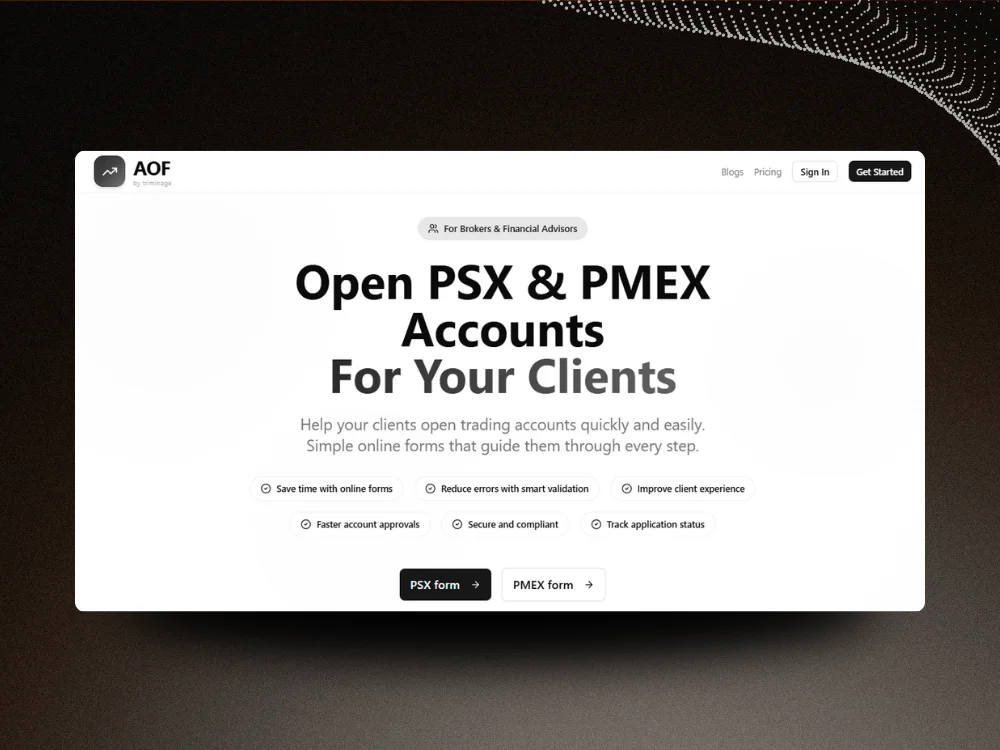
Triminage has been with us the whole way. They built our first website back when we were still Floret Commodities, and when we rebranded to Floret Capitals they redid the whole thing and did a really nice job. It just kept going from there — they built a promotional app for our commodity business that helped bring in a lot of new clients, and now they’re building a full trading app for the stock market that we think will really set us apart. They built our backend dashboard that ties everything together, and they even handle our Google Workspace. What I like is they actually get the business side of things — we don’t have to spell out why something matters, they just understand what we’re trying to do. And we don’t have to chase them for anything; they just handle it. If you’re thinking about going with Triminage, I’d say go for it.

I’ve worked with the team on an AI product for about three months, and the partnership was well structured and organised. They provided weekly updates and communicated clearly, which made the whole process smooth and straightforward. The final product works and is fully functional. I chose the team for the clarity of communication they provide and the way they structure and organise the work — notably more confident than with other providers. They arrive at meetings on time and manage expectations realistically; the punctuality and quality of communication that other providers were missing. I wish you the best of luck working with them.
Harun came in and took our systems to a whole new level — it’s like night and day, the difference.